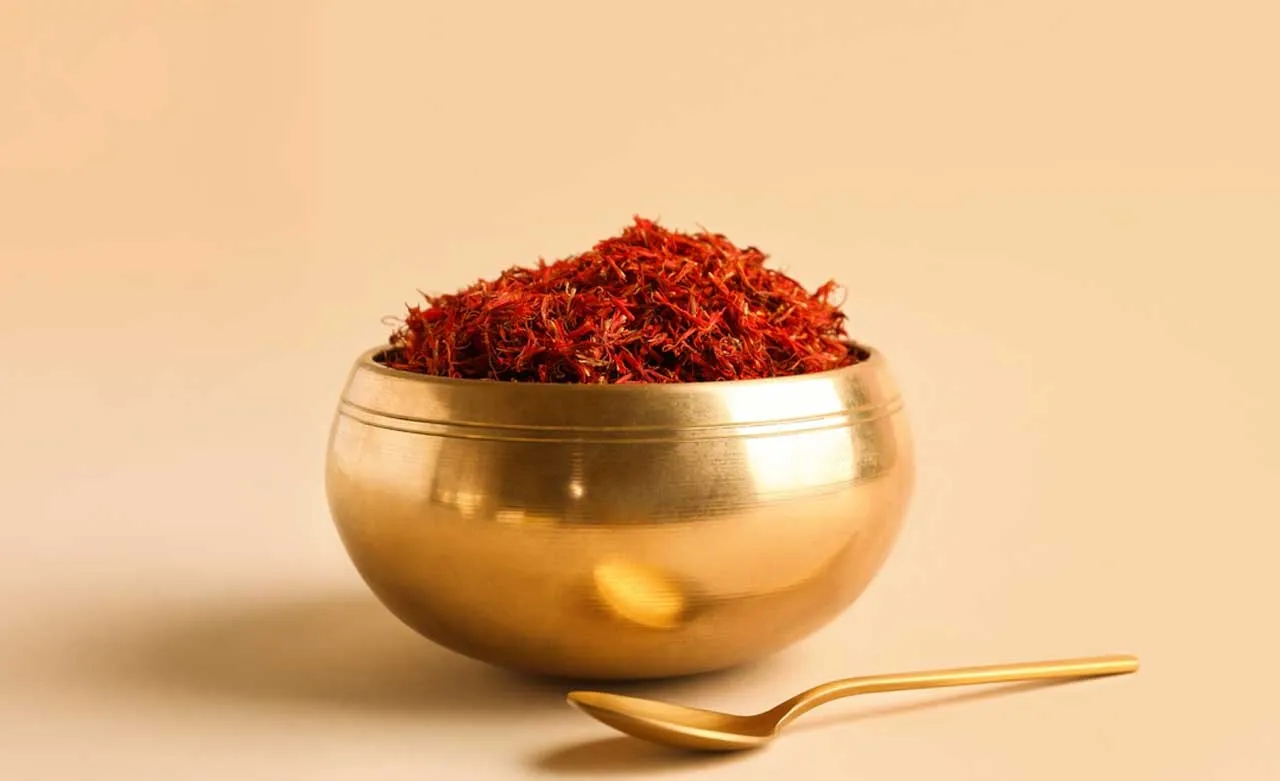
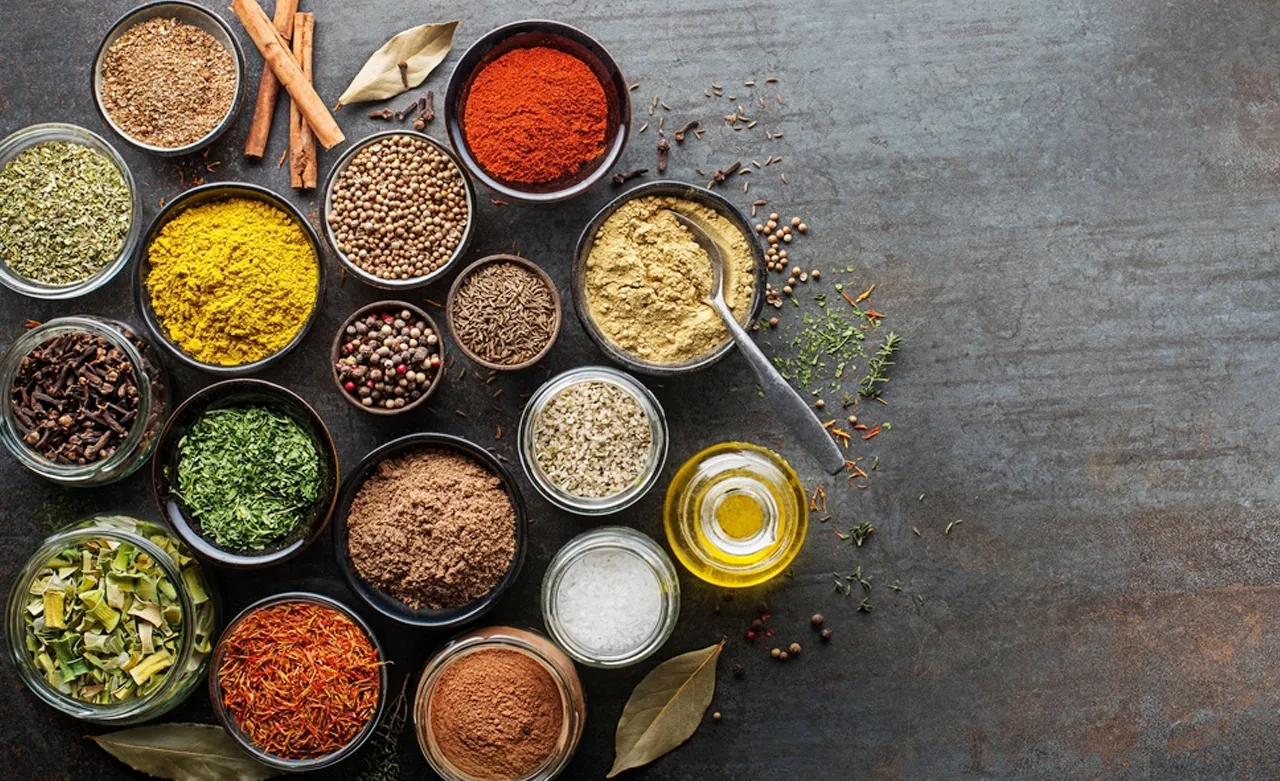
Spices are not merely ingredients used to enhance the flavor of food; they are among the oldest commodities known to humanity. They have been linked to ancient civilizations and evolved into key drivers of economic and cultural development, helping shape the world as we know it today. Spices have been used for thousands of years in cooking, medicine, and religious rituals, eventually becoming precious goods that dominated global trade and inspired the exploration of new lands.
The Origins and Early Uses of Spices
Ancient humans first used spices in regions such as the Indus Valley and ancient Egypt around 3000 BCE. Spices like cinnamon, cardamom, and ginger were used in traditional medicine, mummification, and cooking. In ancient Egypt, spices were extensively used in embalming pharaohs, highlighting their spiritual and medicinal importance. Records also indicate multiple uses in cuisine and perfumery.
In India, spices were central to the traditional system of medicine known as Ayurveda, where turmeric, cardamom, and cloves were highly valued for their health and healing properties. In China, spices such as ginger and cinnamon were used in traditional medicine, reflecting the global significance of spices across civilizations.
Spices and the Evolution of Global Trade
Over time, spices gained substantial economic and political importance, particularly in the Arab world. Arab traders controlled land and sea trade routes that transported spices from India and Southeast Asia to Europe via the Arabian Peninsula. Spices were considered highly valuable commodities, often referred to as "the gold of spices."
This trade monopoly motivated Europeans to seek new ways to access spice sources directly, bypassing intermediaries. This drive led to the voyages of explorers like Christopher Columbus and Vasco da Gama, opening new maritime routes and contributing to European colonization in Asia and Africa.
Major colonial trading companies, such as the Dutch and British East India Companies, were established to profit from the spice trade, particularly in the famed “Spice Islands” of Indonesia.
Famous Spices and Their Historical & Economic Importance
Economically Significant Spices:
These spices are not only significant sources of income for producing countries but also form part of the global economic and trade heritage.
Historically Significant Spices:
The Economic Importance of Spices
Cultural and Economic Influence of Spices
Spices have influenced more than trade; they shaped cultural exchange, knowledge transfer, and global cuisine development. They created long-standing trade relationships between Asia, the Middle East, and Europe, representing an early form of globalization. Spices enriched diets, added new flavors and colors to foods, and influenced cultural practices worldwide.
The history of spices is rich and multifaceted, spanning from ancient medicinal and spiritual uses to global trade that shaped political and economic history. Spices are more than aromatic additions—they are living witnesses to human connection and cultural interaction across the ages, maintaining their significance in today’s health-conscious and global economy.